
About Snakes
Snake
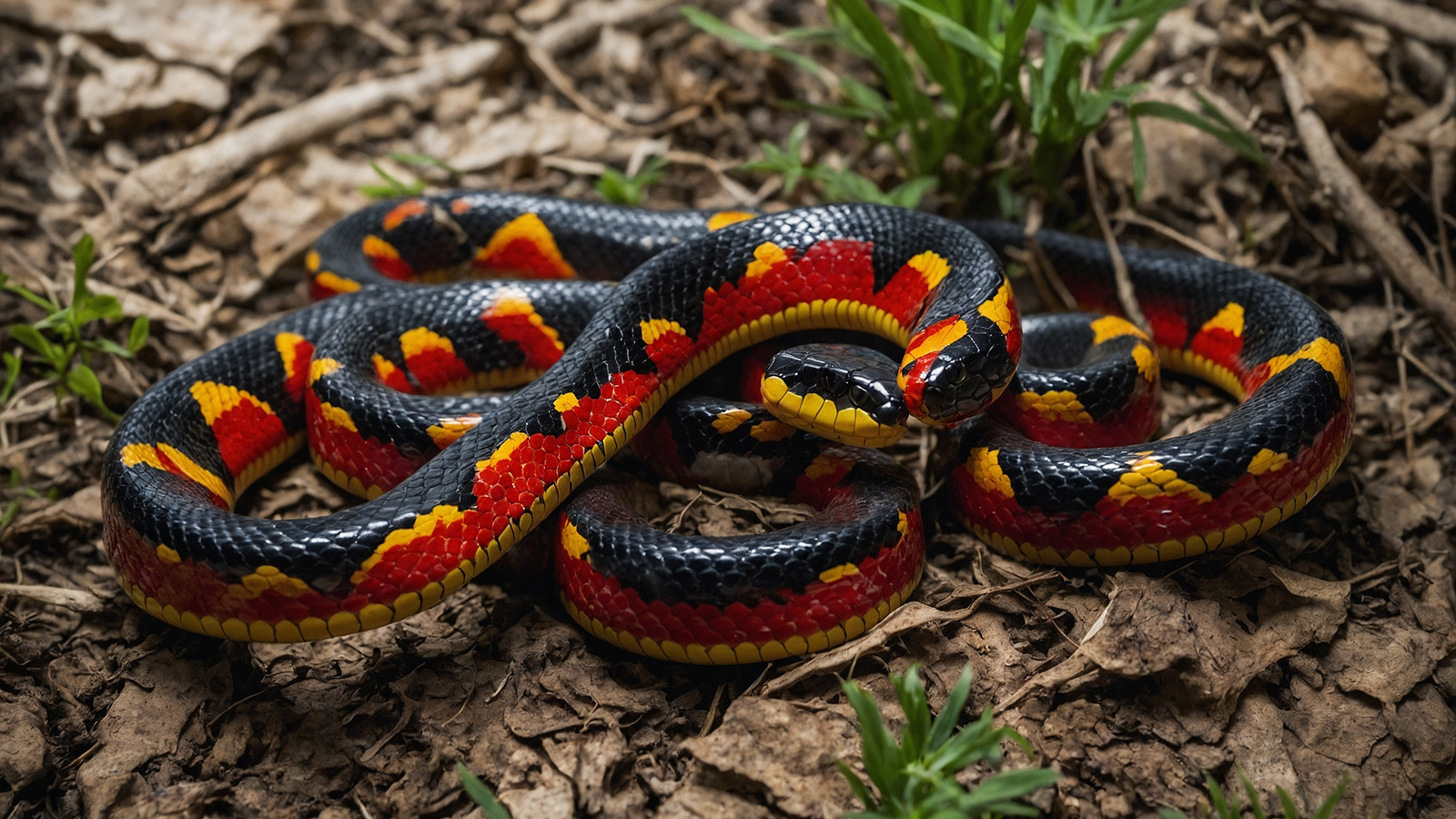
Snakes are elongated, limbless reptiles of the suborder Serpentes (/sɜːrˈpɛntiːz/).[2] Like all other squamates, snakes are ectothermic, amniote vertebrates covered in overlapping scales. Many species of snakes have skulls with several more joints than their lizard ancestors, enabling them to swallow prey much larger than their heads (cranial kinesis). To accommodate their narrow bodies, snakes' paired organs (such as kidneys) appear one in front of the other instead of side by side, and most have only one functional lung. Some species retain a pelvic girdle with a pair of vestigial claws on either side of the cloaca. Lizards have independently evolved elongate bodies without limbs or with greatly reduced limbs at least twenty-five times via convergent evolution, leading to many lineages of legless lizards.[3] These resemble snakes, but several common groups of legless lizards have eyelids and external ears, which snakes lack, although this rule is not universal (see Amphisbaenia, Dibamidae, and Pygopodidae).
Evolution 
The fossil record of snakes is relatively poor because snake skeletons are typically small and fragile making fossilization uncommon. Fossils readily identifiable as snakes (though often retaining hind limbs) first appear in the fossil record during the Cretaceous period.[24] The earliest known true snake fossils (members of the crown group Serpentes) come from the marine simoliophiids, the oldest of which is the Late Cretaceous (Cenomanian age) Haasiophis terrasanctus from the West Bank,[1] dated to between 112 and 94 million years old.[25]
No comments